image

Onion dip from scratch

February 2nd, 2010

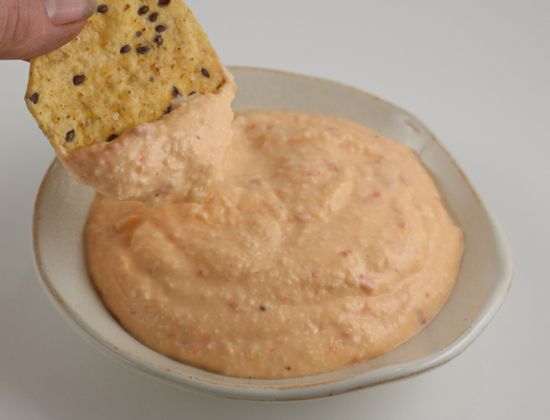
onion dip - bowl

Once upon a time my favorite party fare  was  the simple dip made by stirring an envelope of Lipton’s onion soup mix into a carton of sour cream.  Salty, savory and all too tempting, it was a fixture at every party. I always found it hard to step away from the bowl.

Today, I won’t touch the stuff.  All those fake flavors and dehydrated ingredients no longer appeal.  But I still love a good crunchy chip and a tasty dip.

So once or twice a year, I make onion dip from scratch, slowly caramelizing the onions until they turn soft and sweet.  It takes more work, it’s true, but the flavor is so much better.  And if it still isn’t good for me, I tell myself it’s a rare indulgence.

onion dip-hand1Super Bowl Sunday, arguably the biggest snack day of the year, is the perfect occasion for this splurge. I always like the food better than the game anyway.

The recipe comes from Ina Garten’s first book, “The Barefoot Contessa Cookbook” (Clarkson Potter, 1999).  Like most of her recipes, it doesn’t stint on the fat. but that’s why her food always tastes so good.  I’ve substituted reduced fat cream cheese and yogurt for the regular cream cheese and sour cream of the original at times and the flavor was still terrific.  But it’s hard to beat the original.

The key here is to brown the onions for at least 20 minutes over medium-low heat until they turn golden brown and amazingly sweet.  They don’t need to be stirred constantly, but you don’t want to neglect them so much that they begin to crisp on the edges. A heavy skillet makes the job easier.

One bite of this dip and you’ll turn up your nose at the mix, too.

Pan-fried Onion Dip
Makes 2 cups

2 large yellow onions
¼ cup (½ stick) unsalted butter
¼ cup vegetable oil
¼ – ½ teaspoon ground cayenne pepper, to taste
1 teaspoon kosher salt
½ teaspoon freshly ground black pepper
4 ounces cream cheese, at room temperature
½ cup sour cream
½ cup good mayonnaise

Cut onions in quarters vertically from the root end and then slice into 1/8-inch thick quarter rounds.  (You will have about 3 cups.)  Heat butter and oil in a large saute pan over medium heat.  Add onions, cayenne, salt and pepper and saute 10 minutes.  Reduce heat to medium-low and cook, stirring occasionally, 20 more minutes, until onions are browned and caramelized.  Allow onions to cool.

Place cream cheese, sour cream and mayonnaise in bowl of electric mixer fitted with paddle attachment and beat until smooth. Add caramelized onions and mix well.  Taste for seasonings.  Serve at room temperature.

Adapted from “The Barefoot Contessa Cookbook,” by Ina Garten (Clarkson Potter, 1999).

Bookmark and Share

Pasta with broccoli rabe & goat cheese brightens gloomy winter days

January 26th, 2010

fallenfir

Life has thrown me a few curve balls in recent days.  One of the most inconvenient was the loss of power, water and access to the files on my desktop computer for nearly a week.

I do have an appetizing food photo to go with this post, truly I do.  Sadly, it’s still locked up on the other computer, though. So I’m going to beg your indulgence and offer this shot of the culprit in all this—the 200-year-old fir tree that decided to depart this life during a blustery storm last week.  It uprooted and fell with a tremendous thud, crushing our water tank, blocking the road and taking down power and cable lines.

Thankfully, I had already worked out this recipe for oricchette with broccoli rabe.   Just thinking about this dish brightens my day.

It’s a variation on the Italian classic and one of the best ways I know to use that leafy vegetable also known as rapini.  The name of the pasta translates to “little ears” and the wilted greens of the sauce cling nicely to the small, cupped shapes.  Penne, ziti or rotelle will do the job nearly as well, however, if you can’t find oricchete at your market.

Despite its name, broccoli rabe is thought to be a relative of the turnip rather than the broccoli most commonly found in the supermarket.  Dark, peppery and a bit bitter, it can be found at farmers markets and specialty grocery stores in the fall and winter months.  Look for bunches with vibrant green leaves, tight florets and slender stalks.  Reject those with yellowing or wilting leaves.

What makes this recipe so delightful is the addition of goat cheese, which brings a luxurious texture to the dish and softens the bite of the bitter greens.  The inspiration comes from Linda Butler,  of Lindencroft Farm in the Santa Cruz Mountains, who wrote about her love of broccoli rabe in Saveur magazine this month.  She uses goat cheese in her variation on the traditional recipe.

I’ve also taken a tip from Tuscan cooking and introduced toasted breadcrumbs for more textural interest along with a bit of bacon for a salty, savory note.  It’s not the same as pancetta, it’s true, but it’s readily available and much more economical. Besides, doesn’t bacon make everything better?

This is a great one-dish meal that can be prepared with a minimum of time and only two pans.  It’s comfort food extraordinaire— just what I want when all my best-laid plans start crashing about me.

Oricchette with broccoli rabe, goat cheese and bacon
Serves 4

3 tablespoons olive oil, divided use
½ cup fresh breadcrumbs (optional)
2 bunches broccoli rabe
1 pound oricchiete pasta
4 slices thick-cut, uncured bacon, coarsely chopped into ½-inch squares
6 cloves garlic, thinly sliced
¾ teaspoon red pepper flakes
5 ounces goat cheese, cut into small chunks
1/3 cup freshly grated pecorino Romano or Parmigiano cheese
Salt and freshly ground black pepper to taste

In a large skillet, warm 1 tablespoon of the olive oil over medium heat and add breadcrumbs, stirring to coat evenly with oil.  Season with a pinch of salt and cook, stirring often, until crumbs are golden brown.  Remove from skillet, place on a small plate to cool, and reserve.  Wipe out the skillet and set aside for later use.

Meanwhile, bring a large pot of well-salted water to a boil.  Wash broccoli rabe and trim off stems.  Cook broccoli in boiling water until just tender, 2-3 minutes.  Using a slotted spoon or wire mesh skimmer, remove greens from pot, saving the water.  Rinse greens in cold water to stop the cooking, let drain and chop coarsely.

To the same pot of boiling water, add oricchette and cook until al dente, 8-10 minutes.

While pasta is cooking, warm 2 tablespoons of olive oil in a large skillet over medium heat.  Add bacon and cook until it begins to brown and crisp.  Add greens and sauté until lightly browned.  Add garlic and red pepper and cook a few minutes more.

Drain pasta, reserving 1 cup of cooking water.  Add pasta to skillet with greens and cook over high heat, stirring frequently, for 2 or 3 minutes.  Add as much of the pasta cooking water as necessary to create a lightly saucy consistency.  Remove skillet from heat and add goat cheese, stirring until melted and creamy.  Stir in the grated cheese, sprinkle with toasted breadcrumbs and serve.

Aleta Watson

Bookmark and Share

iPhone in the kitchen

January 14th, 2010

iphonebowl

I confess I’m a gadget junkie.  I come by it honestly.  My dad has always been fascinated by the newest technological wonder and he’s built an impressive collection of toys over the years.  I’ll never catch up, try as I might.

I work to keep my addiction under control, though, now that I no longer get a regular paycheck.  That’s what makes the iPhone apps so much fun.  (I know, I know.  You have to buy the phone first but I’ve done a good job of rationalizing that purchase.)  The apps are cheap—as long as you don’t go overboard and download everything that looks remotely useful.

In the six months since I got my phone, I’ve been checking out and playing around with apps.  Some didn’t make the cut.  Others were one-trick ponies.  But I’ve come to rely on a handful, especially when I’m away from home and working in an unfamiliar kitchen without my collection of trusted cookbooks. Here are some of my favorites: Read full article »

Bookmark and Share

Butternut squash for a winter risotto

January 4th, 2010

butternutrisotto

The pickings were pretty slim at the farmers market yesterday — a few greens, some root vegetables, Brussels sprouts, several varieties of apples and butternut squash.

It’s a good thing I like the mildly sweet, fruity flavor and velvet texture of the buff-colored winter squash with the long neck and bulbous bottom.  I have a feeling butternut squash going to be a fixture on my winter menus this year.

That won’t be such a hardship.  This squash is immensely versatile.  It’s great roasted, pureed in soups, or even just steamed with butter.  Read full article »

Bookmark and Share

Sidecars and cheese twists to celebrate

December 27th, 2009

cocktailtwists

With Christmas behind us and a new year on the horizon, it’s time to abandon the sweets and concentrate on party fare. Cocktails and savory tidbits are what we need to ring in 2010.

New Year’s Eve calls for something a little more elegant than the usual wine, cheese and crackers — something with sophistication, flavor and flare. My nominees this year are sidecars and freshly baked pastry twists loaded with garlic and extra sharp cheddar. Read full article »

Bookmark and Share